
Calcaneal Apophysitis
Overview
Calcaneal Apophysitis is commonly called Sever's Disease, but it is not a disease! It is the most common cause of heel pain in children aged between 8 and 14 years old.
Condition Information
What is Calcaneal Apophysitis?
Calcaneal apophysitis, often called Sever’s disease, is a common cause of heel pain in growing children. It affects the growth area at the back of the heel bone, where the Achilles tendon attaches.
Despite the name “Sever’s disease”, it is not an illness or disease. It is a temporary condition associated with growth and physical activity, and it generally resolves once the heel bone has finished developing.
What causes it?
During periods of rapid growth, the heel bone, muscles and tendons can develop at slightly different rates. This can increase tension through the Achilles tendon and place additional stress on the growth plate of the heel.
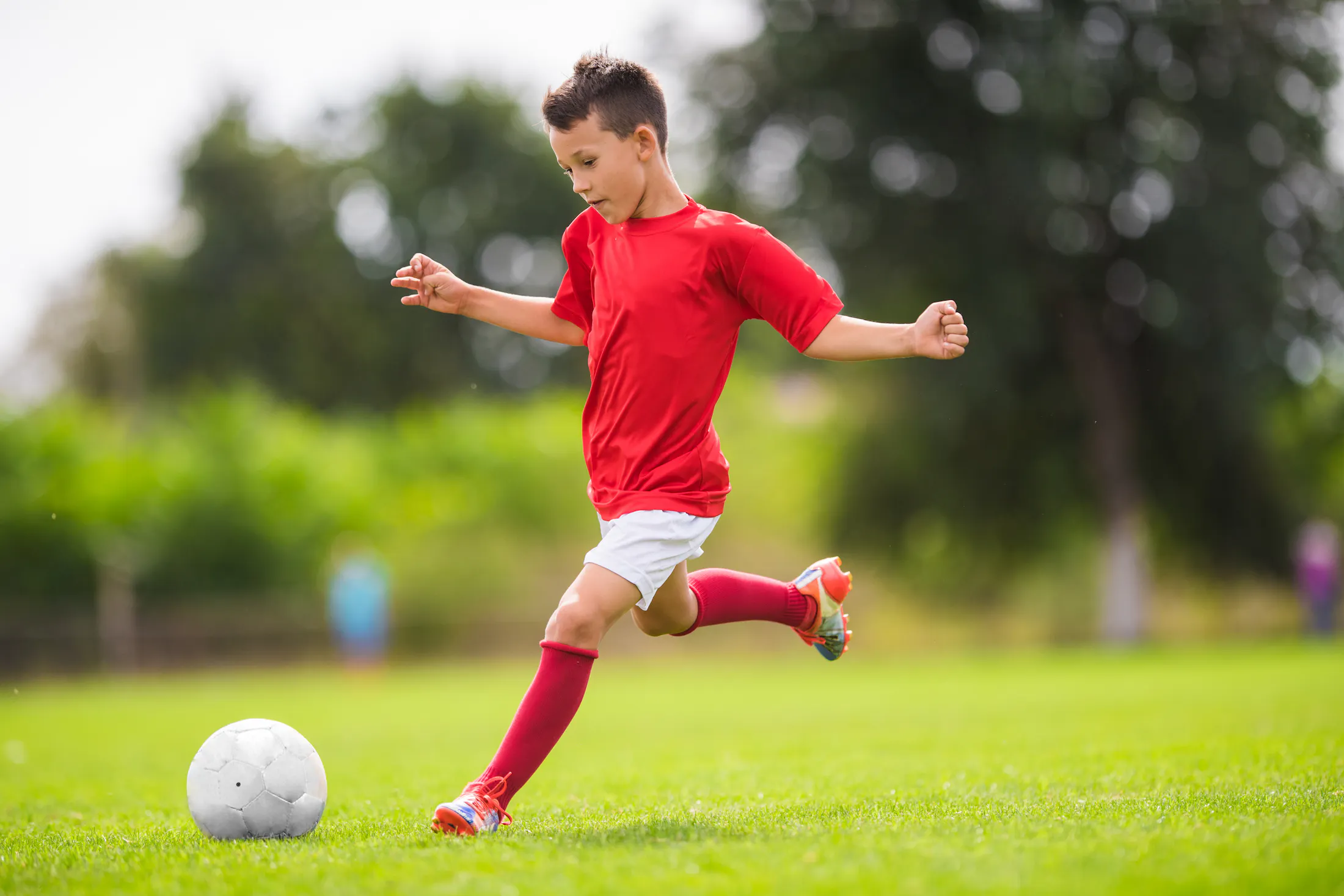
Running, jumping and other high-impact activities can increase this load, which is why calcaneal apophysitis is commonly seen in active children involved in sports such as football, soccer, netball, running and gymnastics.
Common symptoms
Children with calcaneal apophysitis may experience:
- pain or tenderness at the back or underside of one or both heels
- pain that becomes worse during or after sport or exercise
- discomfort when running or jumping
- limping after activity
- walking on their toes to reduce pressure on the heel
- occasional mild swelling around the heel
Symptoms often improve with rest and can flare again when activity levels increase or during periods of rapid growth.
How is it diagnosed?
Diagnosis is usually based on the child’s symptoms, activity levels and a physical examination of the foot and lower limb.
Imaging is not usually required, although it may sometimes be recommended if another cause of heel pain needs to be ruled out.
How can a podiatrist help?
Treatment focuses on reducing pain and managing the load placed on the heel while the child continues to grow.
Management may include:
- temporarily modifying activities that aggravate the heel
- reviewing footwear and sporting shoes
- heel raises or cushioning where appropriate
- foot taping
- orthotics when foot posture or biomechanics may be contributing
- exercises and advice to improve lower-limb function
- gradual return to sport as symptoms settle
- strategies for managing future flare-ups
Every child is different, so treatment should be based on their symptoms, sporting demands, footwear and stage of growth.
Will it go away?
Calcaneal apophysitis is a self-limiting condition. Symptoms usually improve with appropriate management, although flare-ups can occur while the heel growth plate remains active.
It does not usually cause long-term problems and typically resolves once the heel bone has matured.
When should my child be assessed?
Heel pain that is persistent, worsening, causing a limp or preventing a child from comfortably participating in normal activities should be assessed.
A podiatry assessment can help identify the likely cause of the pain, assess contributing factors and provide an appropriate management plan.
Need help with Calcaneal Apophysitis?
Our experienced podiatrists provide personalised assessment and treatment for a wide range of foot, ankle and lower limb conditions. Book an appointment today and let us help you get back on your feet.
Visit FootRight Podiatry
Find our clinic, opening hours and contact details below.