
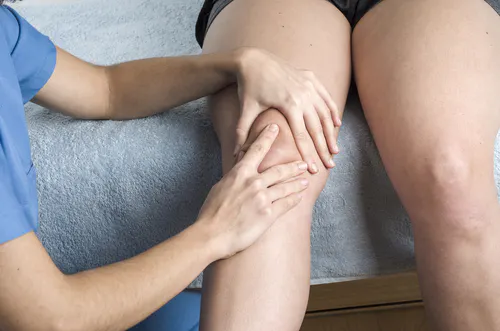
Patello-Femoral Pain Syndrome
Overview
Patellofemoral pain syndrome is a very common knee complaint that can occur in young and old alike. It presents as pain which is located behind the kneecap - where your patella comes into contact with your knee bone (femur) at the patellofemoral joint. The pain is usually due to excessive pressure at the patellofemoral joint caused by poor alignment of the patella.
Condition Information
What is Patello-Femoral Pain Syndrome?
Patello-femoral pain syndrome is a common cause of pain around or behind the kneecap. It occurs when the joint between the kneecap (patella) and the thigh bone (femur) becomes irritated or overloaded.
The pain often develops gradually rather than following a single injury and may be influenced by activity levels, muscle strength, flexibility and the way the lower limb moves.
Common Symptoms
Symptoms may include:
- pain around or behind the kneecap
- discomfort when walking up or down stairs or hills
- pain during squatting, running or jumping
- discomfort after sitting with the knee bent for a long period
- aching around the front of the knee during or after activity
Symptoms can vary from person to person and may become more noticeable when activity levels increase.
What Causes It?
Patello-femoral pain is often related to several factors rather than one single cause.
Contributing factors may include:
- a sudden increase in exercise or training load
- reduced strength or control through the hip and thigh muscles
- tightness or reduced flexibility in the lower limb
- movement patterns that place additional stress on the knee
- foot posture and lower-limb biomechanics
- unsuitable or worn footwear
Muscle imbalances, tight muscles and structural differences in the lower limb can contribute to patellofemoral pain.
How Can a Podiatrist Help?
A podiatrist can assess how the feet and lower limbs function during standing, walking and other activities.
Depending on the findings, management may include:
- footwear assessment and advice
- changes to aggravating activities while symptoms settle
- exercises to improve strength, flexibility and lower-limb control
- taping where appropriate
- orthotics when foot mechanics are contributing to excessive load
- advice about gradually returning to sport or exercise
- referral to another health professional where appropriate
Treatment should be tailored to the individual rather than relying on one approach for every case.
When Should Knee Pain Be Assessed?
Knee pain that persists, becomes worse or interferes with walking, exercise or everyday activities should be assessed.
Seek medical attention more urgently if the knee becomes significantly swollen or red, you develop a fever, or you are unable to put weight through the leg.
Getting Back to Activity
Most people can continue or return to activity with appropriate management. The aim is usually to reduce aggravating load, improve strength and movement control, and gradually build activity levels as symptoms improve.
A thorough assessment can help identify the factors contributing to the pain and guide an appropriate treatment and return-to-activity plan.
Need help with Patello-Femoral Pain Syndrome?
Our experienced podiatrists provide personalised assessment and treatment for a wide range of foot, ankle and lower limb conditions. Book an appointment today and let us help you get back on your feet.
Visit FootRight Podiatry
Find our clinic, opening hours and contact details below.